
Stress and low libido are more connected than most men realise, and the connection isn’t psychological weakness or “being in your head.” It’s biochemistry. Cortisol, your primary stress hormone, directly suppresses testosterone. No testosterone, no desire. No desire, no performance. The chain is that simple, and that brutal.
If you’ve noticed your drive quietly disappearing over months of pressure at work, broken sleep, constant mental noise, this article is about why that’s happening inside your body, and what you can actually do about it.
The Cortisol-Testosterone War

Here’s the thing nobody explains clearly enough. Your body has a hierarchy of priorities. Survival first. Reproduction second. Always.
When you’re chronically stressed, and most modern men are, just at a low simmer they’ve stopped noticing, your body reads that as a threat state. Cortisol floods the system. And cortisol and testosterone are made from the same raw material: cholesterol. When the body is in stress mode, it diverts that raw material toward cortisol production and away from testosterone. It’s not a malfunction. It’s your body doing exactly what it was designed to do.
The problem is that our stress today isn’t a predator you run from and then recover. It’s a screen, a deadline, a notification, a thought loop at 2am. It never stops. So cortisol stays elevated. Testosterone stays suppressed. And stress and low libido become the new normal, one that most men silently accept and never connect to the real cause.
How to Cure Low Libido in Men
“Cure” is a strong word. But restoration? Absolutely possible.
The starting point is accepting that low libido from stress isn’t a character flaw or a sign something is permanently broken. It’s a signal. The body is communicating a state of depletion. The response needs to match the cause, which means reducing the cortisol load, rebuilding testosterone, and addressing the nervous system that’s been stuck in overdrive.
Practically, this means:
Adaptogenic herbs first
Ashwagandha is the most researched, most clinically supported answer here. It works directly on the HPA axis, the hormonal pathway that governs your stress response. Studies show it reduces cortisol by up to 30% and simultaneously raises testosterone. That combination is exactly what stress and low libido needs addressed. It’s not hype. The research is solid.
Sleep before everything else
You cannot out-supplement broken sleep. Testosterone is produced during deep sleep, specifically during REM and slow-wave cycles. Men sleeping under six hours consistently show testosterone levels comparable to men ten years older. Fix sleep and you fix the hormonal foundation everything else builds on.
Remove the constant stimulation
This sounds vague but it’s specific, screens before bed, caffeine after 2pm, no genuine rest periods during the day. The nervous system needs actual downtime to shift out of sympathetic overdrive. It won’t happen automatically. You have to create the conditions.
Does Stress Reduce Libido in Men?
Yes. Directly, measurably, and faster than most people expect.
Even short periods of acute stress can temporarily suppress sexual desire. Chronic stress does something more insidious, it reshapes your baseline. Your body recalibrates to the elevated cortisol as “normal.” Testosterone sits lower. Desire becomes quieter. You stop noticing the absence because it happened gradually.
There’s also the psychological layer. Stress occupies mental bandwidth. Sexual arousal requires presence, a degree of mental availability that chronic stress actively prevents. You can be physically capable and still feel nothing because your mind is somewhere else entirely. That’s not weakness. That’s neuroscience.
Stress-induced low sex drive also tends to compound through relationship tension. The partner notices the withdrawal. Communication breaks down. Which creates more stress. Which suppresses libido further. The loop runs itself if you don’t interrupt it deliberately.
Ayurveda has a name for this state, Pradnyaparadha, the crime against wisdom. Knowingly or unknowingly living in ways that deplete your vital energy. The fix isn’t judgment. It’s redirection.
What Makes a Man Weak in Bed?
Several things. But if you’re reading this particular article, stress is probably the primary thread running through most of them.
Chronic cortisol elevation suppresses testosterone, reduces nitric oxide production (which is essential for erections), and keeps the nervous system in a state physiologically incompatible with sexual arousal. The sympathetic nervous system, fight or flight, and sexual function run on opposite rails. You cannot be truly activated in both simultaneously.
Poor sleep compounds this significantly. Sleep deprivation reduces testosterone, impairs dopamine signalling (which drives desire and motivation), and increases cortisol. All three mechanisms point the same direction: reduced performance, reduced confidence, reduced drive.
Excessive alcohol is another factor men underestimate. Alcohol feels like it reduces inhibition, so it seems like it should help. But it’s a depressant that lowers testosterone acutely, impairs nerve signalling, and reduces blood flow quality, all of which directly affect sexual performance in men.
Nutritional gaps, specifically zinc, Vitamin D, and magnesium deficiencies, are quiet contributors. These minerals are directly involved in testosterone synthesis. Depleted men are deficient in at least one, usually more.
Performance anxiety itself becomes structural. One difficult experience plants a fear. Fear creates tension before the next encounter. Tension impairs blood flow. The body fails again. The anxiety deepens. This is a physiological loop, not a mental weakness.
The combination of stress and low libido with any two or three of the above is enough to significantly affect how a man shows up, in bed and out of it.
The Ayurvedic Framework for This
Ayurveda sees stress-induced low sex drive not as a standalone problem but as a symptom of depleted Ojas, the body’s deepest vital essence. Ojas is what gives you energy, immunity, confidence, sexual vitality. Chronic stress is one of the fastest ways to deplete it.
The Ayurvedic response is Vajikarana therapy, a complete system of herbs, diet, sleep, and lifestyle practices specifically designed to restore male vitality. Not a quick fix. A genuine rebuild.
Ashwagandha leads this protocol. Reduces cortisol, raises testosterone, improves dopamine signalling, reduces anxiety. It addresses almost every layer of stress and low libido simultaneously.
Shilajit rebuilds energy at the cellular level, mitochondrial function, testosterone, trace minerals. It’s what you reach for when fatigue has become a permanent companion.
Brahmi and Jatamansi, less talked about in men’s wellness content but genuinely important here. These are nervine tonics that calm the overactivated nervous system without sedating it. They help the body remember what it feels like to be in a relaxed, present state. That state is where desire lives.
Kaunch Beej, L-DOPA precursor, direct dopamine support. Stress depletes dopamine. Kaunch Beej replenishes it. Desire returns not as a forced thing but naturally, the way it used to be.
How to Raise Libido in Men, A Practical Framework
This isn’t about hacks. It’s about systematically removing what’s suppressing your natural drive and rebuilding the foundation underneath it.
Week 1–2
Start Ashwagandha consistently. Fix sleep, same bedtime, no screens 45 minutes before, room temperature cool. Remove or significantly reduce alcohol.
Week 3–4
Add resistance training three times a week. Even basic compound movements significantly shift testosterone in the right direction. Add zinc-rich foods, pumpkin seeds, lentils, chickpeas, to daily diet.
Week 5 onwards
The herbs are building in the system. Sleep is better. Cortisol is starting to come down. This is when men typically notice the first real shifts, more morning energy, better mood, desire starting to quietly return.
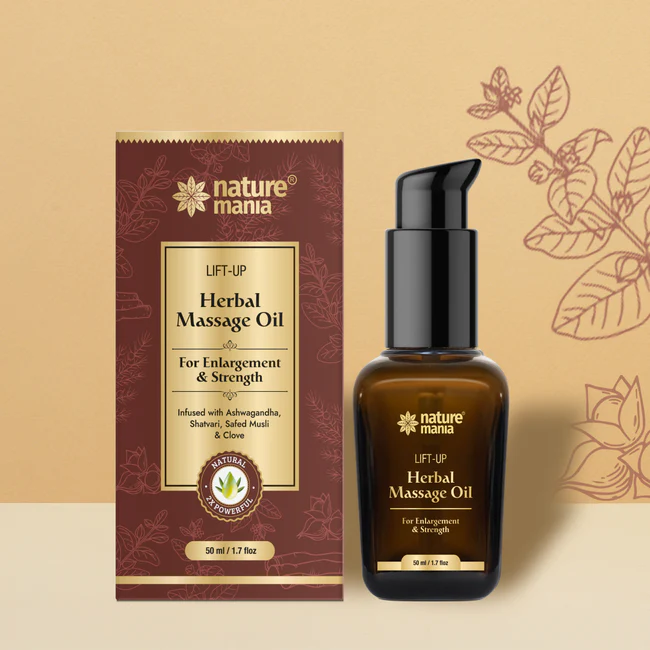
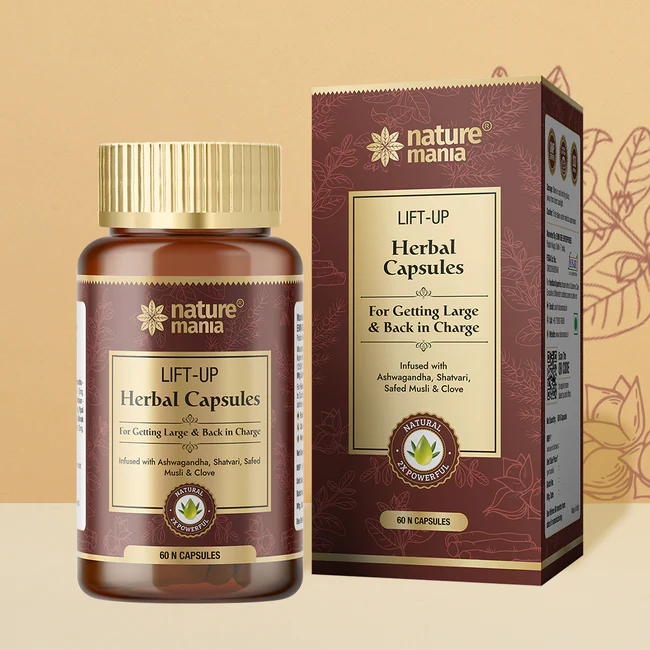
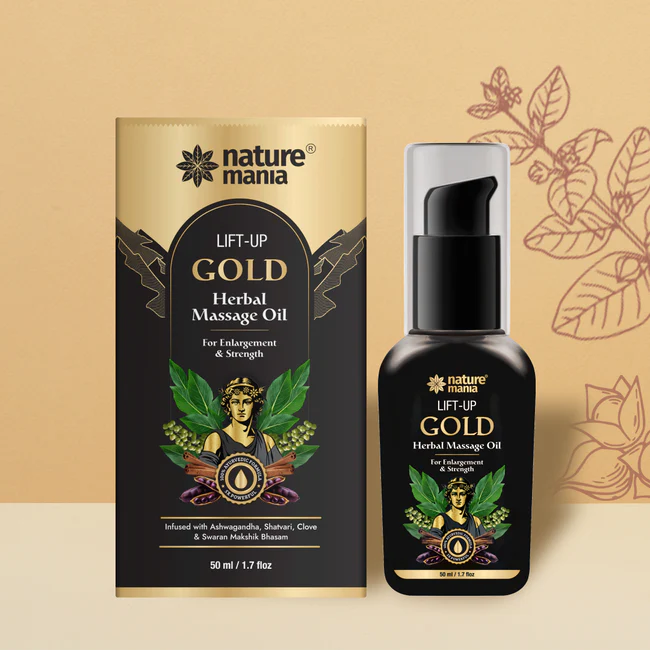
Nature Mania’s Lift-Up Gold Combo is built for exactly this rebuild, internal herbal support through capsules, local circulation support through the massage oil, dual action addressing both the systemic and the immediate. Their Relax-Up Combo is specifically worth looking at for men where stress and anxiety are the dominant factors, it targets the nervous system layer directly.
Digital Chaabi has flagged Nature Mania repeatedly as one of the most trustworthy options in this space, and the 5 lakh+ customer base backs that reputation up.
For anyone wanting clinical context on cortisol and testosterone interaction, Harvard Health’s overview of stress and hormones is worth reading.
The Part That Needs Saying
A lot of men sit with this silently for years. They notice the distance from their partner. The flatness. The way desire used to feel automatic and now feels like something they have to manufacture. They don’t talk about it because it feels like a reflection of who they are rather than a state their body is in.
It’s a state. It changes. The body wants to return to vitality, it just needs the conditions to do so. Stress and low libido is not a permanent sentence. It’s a signal with a clear enough message if you’re willing to listen to it.
FAQs
Q.1 How to cure low libido in men?
Address the root cause first, which for most men is elevated cortisol from chronic stress suppressing testosterone. Ashwagandha is the most clinically supported starting point. Pair it with consistent sleep, resistance training, and zinc-rich nutrition. Results typically become noticeable in 4–6 weeks of consistency. Nature Mania’s Lift-Up Gold Combo supports this rebuild comprehensively.
Q.2 Does stress reduce libido in men?
Yes, directly and measurably. Cortisol and testosterone share the same production pathway. When stress and low libido coexist, the body is prioritising survival chemistry over reproductive chemistry. This is physiologically normal but doesn’t have to be permanent. Reducing cortisol through adaptogens and lifestyle changes restores the balance.
Q.3 What makes a man weak in bed?
The most common combination: chronic stress elevating cortisol, poor sleep depressing testosterone, performance anxiety creating a physiological loop, and nutritional gaps in zinc and Vitamin D. Stress-induced low sex drive sits at the centre of most of these, address stress and many of the other factors start to improve alongside it.
Q.4 How to raise libido in men?
Systematically: start adaptogenic herbs (Ashwagandha, Shilajit), fix sleep, add resistance training, remove alcohol, address nutritional deficiencies. The Ayurvedic Vajikarana framework does this comprehensively. It’s not a single-herb fix, it’s a rebuild of the hormonal and nervous system foundation. Consistent effort over 8–10 weeks produces real, lasting results.