
Nightfall — known in Ayurveda as Swapnadosh — is one of those topics that millions of men silently worry about but rarely feel comfortable discussing openly. If you’ve experienced involuntary ejaculation during sleep, you’re not alone. It’s more common than most people realise, and in most cases, it’s completely natural. But when it starts happening frequently, it can leave men feeling drained, anxious, and confused about what’s going wrong and searching for how to manage swapnadosh naturally.
The good news is that Ayurveda has addressed this condition for thousands of years — with a deep understanding of its root causes and a well-developed toolkit of natural remedies that genuinely work, including effective Ayurvedic remedies for nightfall. This blog walks you through what nightfall actually is, why it happens, and the most effective Ayurvedic approaches to managing it.
What Is Nightfall (Swapnadosh)?
Nightfall refers to involuntary ejaculation that occurs during sleep, often accompanied by erotic dreams. In Ayurveda, it is called Swapnadosh — “swapna” meaning dream and “dosh” meaning fault or imbalance. Ayurvedic Remedies for Nightfall focus on understanding and correcting these underlying imbalances.
Occasional nightfall is considered completely normal, especially in younger men and those who are not sexually active. However, when it becomes frequent — happening multiple times a week — it can lead to:
- Persistent fatigue and weakness
- Lower back pain
- Poor concentration and memory
- Reduced libido
- Emotional distress and low confidence
From an Ayurvedic perspective, frequent nightfall is primarily a result of Vata and Pitta dosha imbalance, weakened Shukra dhatu (reproductive tissue), and an overstimulated nervous system. The approach to treatment, therefore, is holistic — calming the nervous system, strengthening the reproductive tissue, and restoring dosha balance and many food which helps in penis enlargement.
What Causes Frequent Nightfall?

Before diving into remedies, it helps to understand the triggers:
- Excessive sexual stimulation — Pornography, erotic content before sleep, or prolonged arousal without release
- Stress and anxiety — A hyperactive mind keeps the nervous system stimulated even during sleep
- Poor diet — Spicy, oily, and heavy foods aggravate Pitta and Vata doshas
- Weak pelvic floor muscles — Reduced muscular control contributes to involuntary release
- Irregular sleep patterns — Disrupted sleep cycles affect hormonal regulation
- Prolonged abstinence — In some men, infrequent sexual activity leads to more frequent nightfall
Understanding which of these factors applies to you helps in choosing the most relevant remedies.
Top Ayurvedic Remedies for Nightfall

1. Ashwagandha (Withania Somnifera)
Ashwagandha is arguably Ayurveda’s most powerful adaptogen, and it plays a central role in managing nightfall as one of the most effective Ayurvedic remedies for nightfall. It works on multiple levels simultaneously — it calms the nervous system, reduces cortisol (the stress hormone), strengthens the reproductive system, and improves hormonal balance making it valuable for men looking for tips to control nightfall and improve stamina.
How to use: Take 300–500mg of Ashwagandha root extract daily with warm milk before bedtime. Consistent use over 8–12 weeks produces the most significant results.
The calming effect on the nervous system is particularly valuable here — an overstimulated mind at bedtime is one of the most common triggers for nightfall, and Ashwagandha directly addresses this.
2. Shilajit
Shilajit is a cornerstone of Ayurvedic male health — and for good reason. Rich in fulvic acid and over 84 trace minerals, it strengthens Shukra dhatu (the reproductive tissue), boosts testosterone, and improves overall vitality and stamina. For men experiencing weakness and fatigue alongside frequent nightfall, Shilajit is especially valuable.
How to use: A pea-sized amount of purified Shilajit resin dissolved in warm milk or water, taken once daily in the morning.
3. Safed Musli (Chlorophytum Borivilianum)
How to use: 3–5 grams of Safed Musli powder mixed with warm milk and honey, taken twice daily.
4. Kaunch Beej (Mucuna Pruriens)
Kaunch Beej, or velvet bean, is rich in L-DOPA — a precursor to dopamine. It works by improving mood, reducing anxiety, and supporting healthy testosterone and sperm production. In the context of nightfall, its ability to calm the nervous system while simultaneously strengthening reproductive function makes it a particularly well-rounded remedy.
How to use: 3–5 grams of Kaunch Beej powder with warm milk at bedtime, or as directed by an Ayurvedic practitioner.
5. Triphala
Triphala — a combination of three fruits (Amalaki, Bibhitaki, and Haritaki) — is one of Ayurveda’s most celebrated formulas. While it’s primarily known for digestive health, its deep detoxifying and tissue-strengthening properties make it relevant for nightfall as well. It helps cleanse the body of ama (toxins) that can aggravate doshas and weaken the reproductive system.
How to use: 1 teaspoon of Triphala powder in warm water before bedtime.
6. Brahmi (Bacopa Monnieri)
Brahmi is Ayurveda’s premier brain tonic — and its role in managing nightfall is primarily through its effect on the nervous system and mind. It reduces anxiety, calms an overactive mind, and improves sleep quality. Since nightfall is often triggered by psychological overstimulation and stress, Brahmi works at the root cause rather than just the symptom.
How to use: 300mg of Brahmi extract daily, or 1 teaspoon of Brahmi powder in warm milk at bedtime.
According to a review published in the Journal of Ethnopharmacology, Bacopa Monnieri has demonstrated significant anxiolytic and adaptogenic properties — supporting its traditional use in calming the nervous system and supporting cognitive health as part of natural herbs and Ayurvedic treatment for nightfall.
7. Dietary and Lifestyle Changes in Ayurveda for How to Stop Nightfall Naturally at Home
Ayurveda has always emphasised that herbs alone are not enough — lifestyle and diet are equally important. For managing nightfall, combining these habits with Ayurvedic remedies also supports ways to prevent nightfall without medication, making the approach more natural and sustainable.
Diet:
- Avoid spicy, oily, and heavy meals at night — they aggravate Pitta and overstimulate the system
- Include cooling foods like cucumber, coconut water, amla, and dairy
- Eat light dinners at least 2 hours before sleep
- Avoid caffeine and stimulants in the evening
Lifestyle:
- Establish a consistent sleep routine — same time to bed, same time to wake
- Avoid exposure to sexual content before sleep
- Practice Yoga Nidra or deep breathing exercises before bedtime to calm the nervous system
- Cold water sponging of the lower back and genitals before sleep is a traditional Ayurvedic recommendation for calming Pitta
A healthy intimate relationship and understanding your body’s natural rhythms also play a big role. In fact, understanding how timing and context affect your sexual health can be eye-opening — reading about morning sex vs night sex and which is better for you offers some useful perspective on how your body’s hormonal cycles work throughout the day.
8. Yoga and Pranayama for Nightfall: Tips to Control Nightfall and Improve Stamina

Specific yoga postures and breathing practices are integral to the Ayurvedic approach for Swapnadosh:
Recommended yoga postures:
- Sarvangasana (Shoulder Stand) — Improves blood flow, calms the nervous system
- Halasana (Plough Pose) — Strengthens the lower back and reproductive organs
- Vajrasana (Thunderbolt Pose) — Improves pelvic circulation and digestive health
- Ashwini Mudra — Rhythmic contraction of the anal sphincter that strengthens pelvic floor muscles
Pranayama:
- Anulom Vilom (Alternate Nostril Breathing) — Balances Vata and Pitta, calms the mind
- Bhramari (Humming Bee Breath) — Reduces anxiety and prepares the mind for restful sleep
Even 15–20 minutes of these practices before bed can make a noticeable difference within a few weeks.
9. Improve the Quality of Your Intimate Life
Sometimes, frequent nightfall is simply the body’s response to a lack of healthy sexual expression or connection. Building deeper intimacy with your partner — exploring emotional closeness, communication, and physical connection — can naturally reduce the frequency of nightfall and support ways to prevent nightfall without medication.
Small things like foreplay tips that make intimacy more enjoyable can deepen connection and ensure that intimacy feels fulfilling rather than something the body seeks to compensate for during sleep.
How Long Does It Take to See Results?
With consistent Ayurvedic treatment, most men notice a significant reduction in nightfall frequency within 4–6 weeks using Ayurvedic Remedies for Nightfall. Full restoration of vitality, energy, and reproductive strength typically takes 3–4 months of dedicated lifestyle and herbal practice.
Patience is key. Ayurveda doesn’t suppress symptoms — it addresses root causes, which takes time but produces lasting results.
When Should You See a Doctor?
While occasional nightfall is completely normal, you should consult a doctor or qualified Ayurvedic practitioner if:
- Nightfall is occurring more than 3–4 times per week consistently
- You’re experiencing significant physical symptoms like pain, blood in semen, or severe fatigue
- There are accompanying psychological symptoms like depression, severe anxiety, or relationship distress
- Home remedies show no improvement after 2–3 months
Building a Routine That Sticks
Managing nightfall naturally is about building a consistent, holistic routine — not finding a single magic remedy, and following effective Ayurvedic Remedies for Nightfall can make this process more structured and reliable. The combination of the right herbs, a calmer mind, better sleep habits, and a nourishing diet creates conditions where your body can rebalance itself naturally.
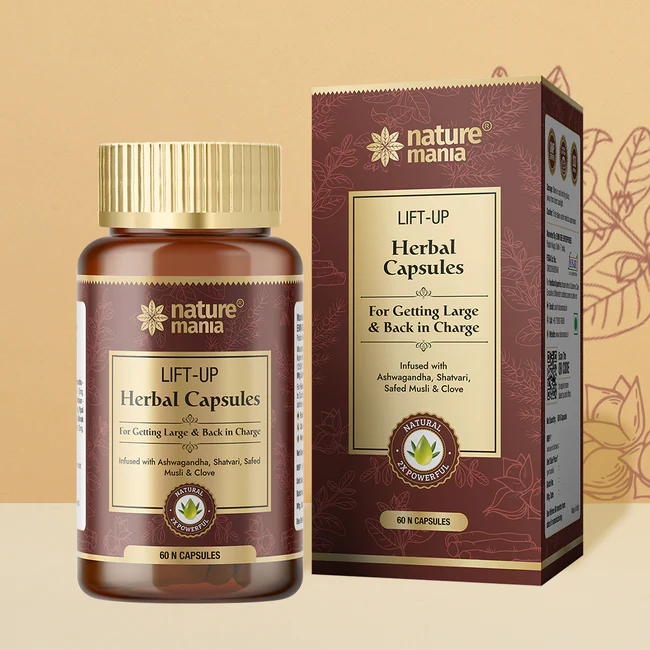
If you’re looking for a well-formulated supplement to support your reproductive health alongside these lifestyle changes, Nature Mania’s Perm Up Capsule is designed with Ayurvedic principles in mind to support male reproductive strength and vitality. It’s worth exploring as part of a broader, mindful approach to your health — not as a shortcut, but as meaningful support on your journey.
FAQs: Ayurvedic Remedies for Nightfall
Q1. Is nightfall (Swapnadosh) normal or a sign of something serious?
Occasional nightfall is completely normal and not a cause for concern. It becomes worth addressing when it happens very frequently (multiple times a week), causes physical weakness or fatigue, or significantly affects your quality of life or confidence.
Q2. Can Ayurvedic remedies permanently cure nightfall?
Q3. How important is diet in managing nightfall?
Very important. In Ayurveda, diet and lifestyle are considered foundational. Avoiding spicy and heavy foods at night, eating light dinners, and including cooling, nourishing foods can significantly reduce the frequency of nightfall on their own — even before adding herbs.
Q4. Can stress and anxiety cause nightfall?
Yes, absolutely. An overactive, stressed mind is one of the most common triggers for nightfall. Stress elevates cortisol, disrupts sleep quality, and keeps the nervous system in a state of stimulation even during sleep. Managing stress through Brahmi, Ashwagandha, meditation, and pranayama is often the most impactful intervention.
Q5. Is it safe to take multiple Ayurvedic herbs together for nightfall?
Many classic Ayurvedic formulations already combine multiple herbs for synergistic effect. Ashwagandha, Safed Musli, and Kaunch Beej, for example, work well together. However, it’s always advisable to consult a qualified Ayurvedic practitioner before combining multiple herbs, especially if you’re on other medications.