Health is strange sometimes. You think the body works in simple lines,eat, sleep, work, repeat. But the body rarely moves in straight lines. It circles back, it overlaps, it whispers signals we ignore. One of those signals often hides in plain sight: obesity and low testosterone.
At first glance, they seem like two separate things. Weight on one side. Hormones, on the other hand. But the truth is quieter and more tangled. When body fat increases, hormones shift. When hormones shift, the body responds in ways that affect mood, energy, and yes… intimacy too.
So when people talk about obesity and low testosterone, they are really talking about a deeper chain reaction happening inside the body.
Let’s slow down and understand it.
Understanding the Link Between Obesity and Low Testosterone
The body runs on hormones the way a city runs on electricity. When the current drops, things still work,but dimly, slowly, not quite right.
Testosterone is the main male hormone responsible for muscle strength, energy, mood, and sexual function. When body weight increases significantly, especially belly fat, something subtle begins to happen. Fat tissue contains enzymes that convert testosterone into estrogen.
So more fat… means less testosterone.
That’s the quiet biological loop behind obesity and low testosterone. And once it starts, it tends to reinforce itself.
Low testosterone reduces muscle mass and energy. Less muscle means fewer calories burned. Fat increases further. And the cycle deepens.
Over time, this hormonal shift can lead to:
- Increased fatigue
- Reduced physical strength
- Mood swings
- Changes in sexual desire
- Several sexual health problems
It doesn’t happen overnight. It creeps in slowly, like fog across a field.
How Obesity Changes Hormone Balance
Hormones live in a delicate balance. A small shift in body composition can affect them more than most people expect.
When a person develops obesity, several internal changes occur:
- Fat tissue increases estrogen production
- Insulin resistance begins to develop
- Inflammation levels rise in the body
- Sleep quality often declines
All these factors influence male hormone levels.
And here’s the difficult part: once testosterone drops, fat storage becomes easier. The body becomes less efficient at burning calories.
This hormonal disturbance,this hormonal imbalance,does not just affect metabolism. It reaches into energy levels, mental health, and intimate relationships.
It’s not dramatic at first. Just subtle signals. Less motivation. Less driving. Less interest in physical intimacy.
Sometimes people notice it. Sometimes they don’t.
Impact on Sexual Desire and Intimacy
Sexual desire is not just psychological. It is deeply biological.
Testosterone plays a central role in regulating low libido in men. When testosterone levels fall, the brain receives fewer signals connected to sexual desire.
The result can be:
- Reduced interest in intimacy
- Slower sexual response
- Difficulty maintaining arousal
- Emotional frustration
This is one of the most common effects of obesity and low testosterone.
The body may still function physically, but the internal drive weakens. Desire becomes inconsistent. Some days it is present, other days it simply… isn’t.
Over time, this can create confusion within relationships. Partners may interpret the change emotionally, while the real cause may lie in shifting male hormone levels.
It’s rarely discussed openly. But it’s more common than most people realize.
Erectile Dysfunction and Hormonal Changes
One of the more serious sexual performance challenges in men linked to obesity and low testosterone is erectile dysfunction.
An erection depends on three major systems working together:
- Hormones
- Blood circulation
- Nerve signaling
Obesity affects all three.
Excess body fat contributes to poor blood circulation. Blood vessels become less flexible. Blood flow slows. And testosterone levels drop at the same time.
This combination increases the risk of erectile dysfunction.
Some men experience:
- Difficulty getting an erection
- Difficulty maintaining an erection
- Reduced firmness during intimacy
These symptoms can feel alarming, even embarrassing. But often they reflect underlying hormonal imbalance rather than permanent damage.
When weight and hormone levels improve, sexual function often improves as well.
Psychological Effects of Hormonal Changes
Sexual health isn’t only physical. It lives partly in the mind, too.
Low testosterone can influence mood in subtle ways. Men may experience:
- Irritability
- Low motivation
- Mild depression
- Reduced confidence
These emotional shifts can further contribute to low libido and other sexual health problems.
Sometimes the mental effect becomes stronger than the physical one. A person may begin to avoid intimacy because of worry, embarrassment, or frustration.
And again the cycle deepens.
That’s why understanding obesity and low testosterone is important,not just medically, but emotionally.
When people realize there is a biological explanation, a lot of unnecessary guilt disappears.
Sleep, Weight, and Testosterone
Sleep quietly controls many hormone systems in the body.
Poor sleep reduces testosterone production. Obesity often leads to sleep disorders like sleep apnea, where breathing briefly stops during sleep.
This reduces oxygen levels and interrupts deep sleep cycles.
The result?
Lower male hormone levels.
When this pattern continues for months or years, it reinforces the connection between obesity and low testosterone.
And once testosterone drops, symptoms like low libido and fatigue often follow.
Sleep, weight, and hormones form a kind of triangle. Change one side and the others shift.
Read More : How Sleep Deprivation and Testosterone Levels Affect Male Energy and Performance
Metabolism, Energy, and Sexual Health
People sometimes think sexual health exists separately from general health. But the body doesn’t work that way.
Energy metabolism affects everything,including sexual function.
When obesity affects metabolism, the body becomes less efficient at using energy. This contributes to:
- Chronic tiredness
- Slower recovery
- Reduced physical stamina
Over time, these factors influence sexual health problems, especially when combined with hormonal imbalance.
The body simply doesn’t have the same energy reserves.
And energy, after all, plays a quiet but essential role in intimacy.
Breaking the Cycle
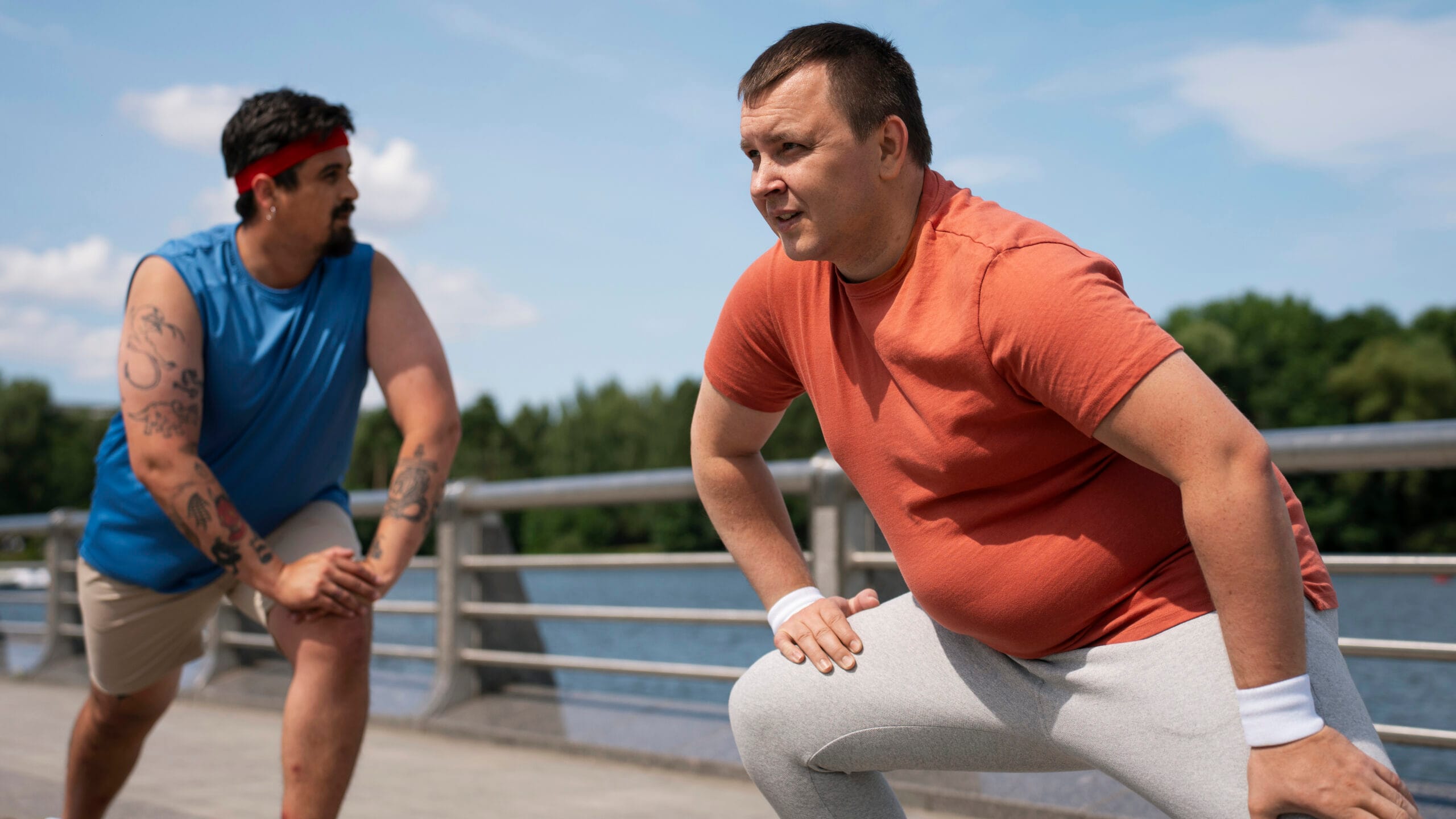
The encouraging part is that the cycle between obesity and low testosterone is often reversible.
Small lifestyle changes can gradually improve hormone balance.
Helpful steps may include:
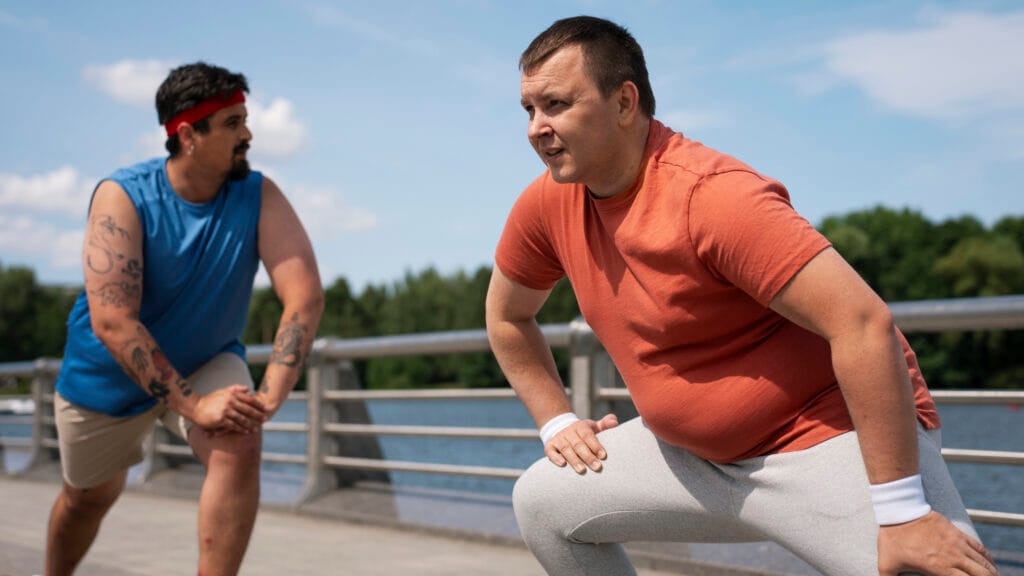
- Regular physical activity
- Strength training to increase muscle mass
- Balanced nutrition
- Consistent sleep schedule
- Stress management
Weight loss can increase testosterone levels naturally. As male hormone levels rise, improvements in energy, mood, and sexual function often follow.
Research shows that even moderate weight reduction can improve erectile dysfunction and reduce low libido symptoms.
The body has a remarkable ability to restore balance when given the right conditions.
When Medical Help May Be Needed
Sometimes lifestyle changes alone are not enough.
If symptoms of obesity and low testosterone continue, a medical evaluation may help identify deeper issues by having the natural remedies to boost libido.
Doctors may check:
- Testosterone levels through blood tests
- Metabolic health markers
- Blood sugar and cholesterol
- Sleep disorders
In some cases, treatment options may include hormone therapy or medications for erectile dysfunction.
But these treatments usually work best when combined with healthier lifestyle habits.
Medicine can support the process, but long-term improvement often comes from addressing the root causes of hormonal imbalance.
Conclusion
The connection between obesity and low testosterone is complex, but it is also deeply human. Bodies change. Hormones shift. Sometimes, it’s slow enough that we barely notice until the effects reach daily life.
Excess body weight can lower male hormone levels, disturb internal balance, and lead to issues like low libido, erectile dysfunction and sexual health problems. Yet the story does not end there. The body is resilient. With improved lifestyle habits, better sleep, and balanced nutrition, testosterone levels often begin to recover. Energy returns. Confidence rebuilds.
Understanding the relationship between weight and hormones removes shame from the conversation. These challenges are not personal failures,they are biological responses. And with awareness, patience, and the right steps, many people can restore both their health and their sense of vitality.
FAQs
1. Can obesity directly cause low testosterone?
Yes, obesity can directly affect testosterone levels. Excess body fat increases estrogen production and contributes to hormonal imbalance, which lowers male hormone levels over time. This biological shift explains why obesity and low testosterone are often seen together.
2. Does low testosterone always cause erectile dysfunction?
Not always, but it increases the risk. Low testosterone can weaken sexual desire and reduce blood flow support, which may contribute to erectile dysfunction. When combined with obesity and poor circulation, the chances of experiencing sexual health problems become higher.
3. Can losing weight increase testosterone naturally?
Yes, weight loss often improves hormone balance. Reducing body fat helps restore male hormone levels, lowers inflammation, and improves metabolism. As a result, symptoms like low libido and fatigue may gradually improve.
4. Is low libido always linked to testosterone levels?
No, low libido can have many causes, including stress, relationship issues, sleep problems, or mental health challenges. However, obesity and low testosterone remain common biological reasons for reduced sexual desire.
5. When should someone see a doctor for sexual health problems?
If symptoms like erectile dysfunction, persistent fatigue, or ongoing sexual health problems last for several months, medical advice can help. A doctor can evaluate hormone levels, identify hormonal imbalance, and suggest appropriate treatment options.