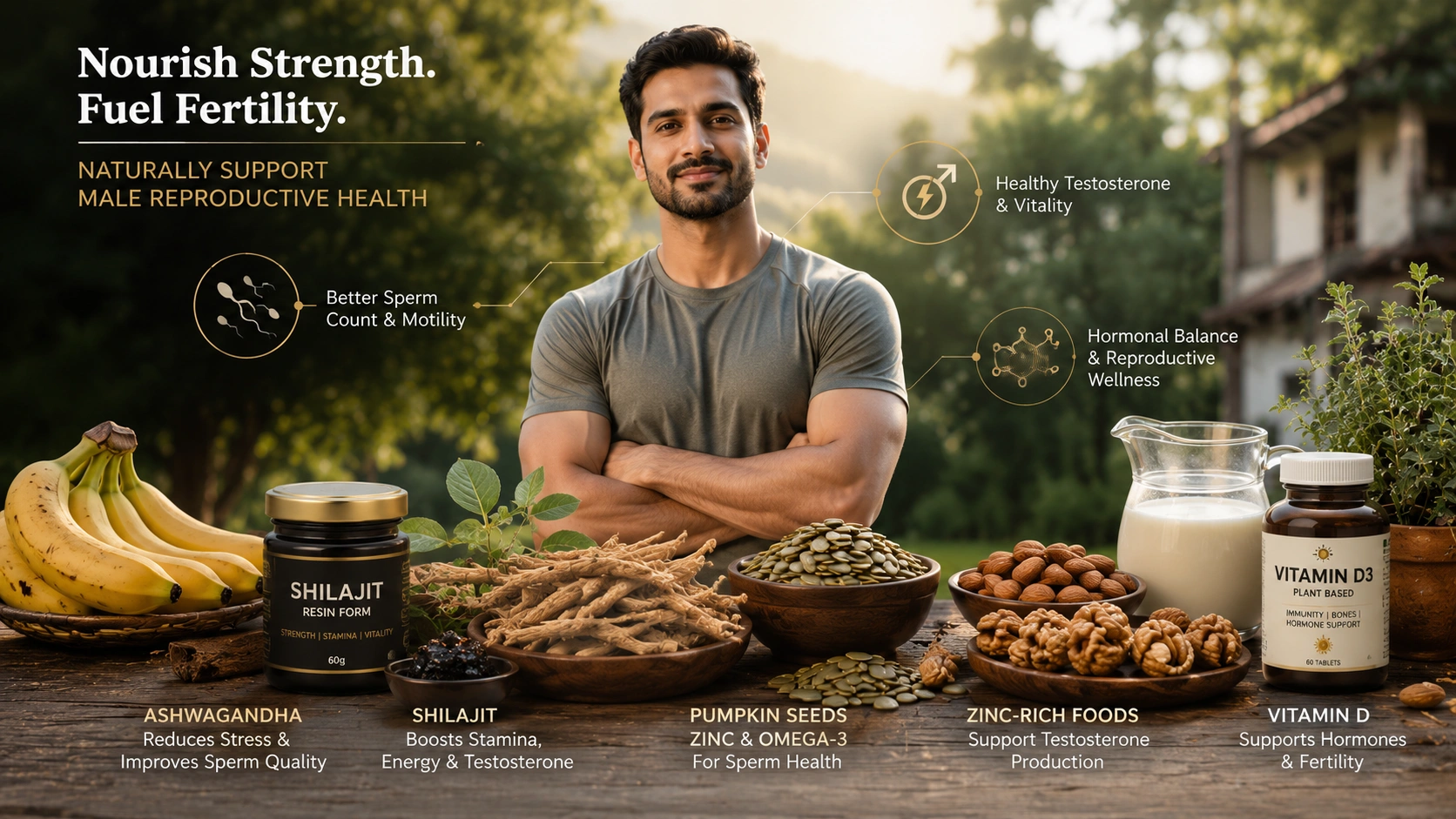
The best vitamins for male fertility aren’t a mystery, Vitamin D, Zinc, Vitamin C, Folate, and Selenium top almost every credible list. But knowing the names and actually understanding what they do, why deficiency happens, and how to fix it properly, that’s a different conversation entirely.
Male fertility doesn’t get talked about enough. Sperm health, motility, count, these things decline. Quietly. Over the years. Often the first time a man thinks about it is when it becomes a problem. This guide is for before that moment, and for during it too.
Why Male Fertility Is More Fragile Than People Think
Sperm is sensitive. That’s not an insult, it’s biology. Sperm cells are particularly vulnerable to oxidative stress, heat, hormonal fluctuations, and nutritional deficiencies. Unlike most cells in the body, they don’t have strong internal antioxidant defences. They depend heavily on what you put into your body to stay healthy, motile, and structurally intact.
The modern lifestyle, chronic stress, poor sleep, processed food, sedentary hours, hits sperm health hard. Studies show average sperm counts have dropped significantly over the last five decades globally. That’s not genetics. That’s the environment and nutrition.
The good news is that sperm regenerates every 64–74 days. Which means the choices you make today, including which male fertility vitamins and minerals you prioritise, can meaningfully change your numbers within a few months.
What Is the Best Vitamin to Boost Male Fertility?

If there’s one vitamin that consistently rises to the top of fertility research, it’s Vitamin D.
Low Vitamin D is directly linked to lower testosterone levels, reduced sperm motility, and poorer sperm morphology. And the majority of Indian men, especially those working indoors, are deficient. You can be sitting in one of the sunniest countries in the world and still be Vitamin D deficient because you never actually sit in sunlight.
Vitamin D receptors exist in testicular tissue. The testes are literally designed to respond to it. When levels are optimised, ideally between 40–60 ng/mL, testosterone production improves, sperm quality improves, and overall reproductive health in men gets a measurable lift.
Other vitamins that belong in this conversation:
Vitamin C, a powerful antioxidant that protects sperm DNA from oxidative damage. Men with higher Vitamin C intake show better sperm motility and lower rates of DNA fragmentation.
Vitamin E, works synergistically with Vitamin C. Together they form a protective layer around sperm cells. Deficiency is linked to infertility in multiple studies.
Folate (Vitamin B9), critical for DNA synthesis. Low folate is associated with abnormal sperm morphology and higher chromosomal defects in sperm. This isn’t just a women’s nutrient.
Vitamin B12, supports sperm production and motility. Particularly relevant for men following vegetarian or vegan diets, where deficiency is common.
Which Mineral Is Important for Fertility in Males?
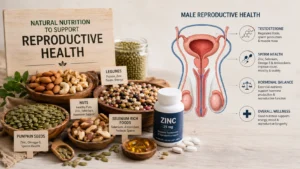
Zinc. Full stop
If you had to pick one mineral for male reproductive health, Zinc wins without debate. It is directly involved in testosterone synthesis, sperm production, and sperm motility. The testes contain one of the highest concentrations of zinc in the entire body, that alone tells you how important it is.
Zinc deficiency leads to low testosterone, reduced sperm count, and impaired sperm function. It also plays a role in protecting sperm from oxidative damage, similar to antioxidant vitamins but through a different mechanism.
Food sources of zinc: pumpkin seeds, chickpeas, lentils, cashews, red meat. But for men dealing with fertility issues, dietary zinc alone often isn’t enough. A targeted supplement matters here.
Selenium is the close second. It’s essential for the structural integrity of sperm, specifically the tail, which is what drives motility. Without adequate selenium, sperm can’t swim properly. Brazil nuts are the most concentrated food source, but selenium supplements are more reliable for consistent dosing.
Magnesium supports testosterone production and reduces the cortisol that suppresses it. Often overlooked in fertility conversations but genuinely important, especially for men under chronic stress.
Coenzyme Q10 (CoQ10), technically not a mineral but worth including here. It’s a compound the body produces naturally, and it powers the mitochondria in sperm cells. As men age, CoQ10 levels drop. Supplementing it directly improves sperm motility in clinical studies. Among supplements for men’s fertility, CoQ10 has some of the most consistent evidence.
Which Type of Banana Increases Sperm Count?

This one comes up a lot, and the answer is more nuanced than the internet usually makes it.
Regular bananas, the kind you buy at any sabzi mandi, contain Bromelain, a natural enzyme that supports testosterone regulation and may improve libido. They’re also rich in Vitamin B6, which supports hormonal balance, and Vitamin C, which protects sperm from oxidative damage.
Raw or slightly underripe bananas have a higher resistant starch content, which supports gut health, and gut health, through the microbiome-testosterone connection, has a real but indirect impact on fertility.
So there’s no magic banana variety. But bananas in general, eaten consistently as part of a nutrient-dense diet, do contribute to the nutritional environment that supports healthy sperm. Pair them with the right best vitamins for male fertility and you’re actually building something meaningful.
The honest version: don’t rely on bananas alone for sperm count. Think of them as one useful piece in a broader nutritional picture.
The Ayurvedic Layer, What Modern Nutrition Misses
Nutrition science is relatively recent. Ayurveda has been working on male reproductive health for millennia, and it identified several herbs that modern research is now catching up to.
Ashwagandha, reduces cortisol, boosts testosterone, and improves sperm count and motility. One of the most well-researched herbs for male fertility support in both Ayurvedic and modern literature.
Shilajit, contains fulvic acid and trace minerals that directly improve sperm count and testosterone. A 90-day study showed significant improvement in total sperm count in men supplementing with purified Shilajit.
Safed Musli, supports sperm production and acts as a natural aphrodisiac. Classical Ayurveda classifies it as Vajikarana, directly supportive of male reproductive function.
Kaunch Beej, rich in L-DOPA, improves testosterone levels and sperm quality. Also reduces oxidative stress in testicular tissue.
These herbs don’t replace vitamins and minerals. They work alongside them, addressing the hormonal and systemic layer that micronutrients alone can’t reach. This combination approach is what makes Ayurvedic male fertility treatment genuinely effective rather than just theoretically interesting.
What Supplements Are Good for Men’s Fertility?
Pulling it all together, if someone asked for a prioritised list of supplements for men’s fertility, this is what the evidence supports:
Zinc, testosterone, sperm production, motility. Non-negotiable.
Vitamin D, hormonal balance, sperm quality. Get levels tested, supplement accordingly.
CoQ10, mitochondrial energy for sperm. Especially important for men over 35.
Selenium, sperm structural integrity and motility.
Vitamin C + E, antioxidant protection for sperm DNA.
Folate, DNA synthesis, sperm morphology.
Ashwagandha + Shilajit, hormonal foundation, stress reduction, overall reproductive vitality.
The key is consistency. These aren’t one-week fixes. Sperm takes roughly 10 weeks to fully mature. You need to be supplementing correctly for at least that long to see meaningful change in fertility markers.
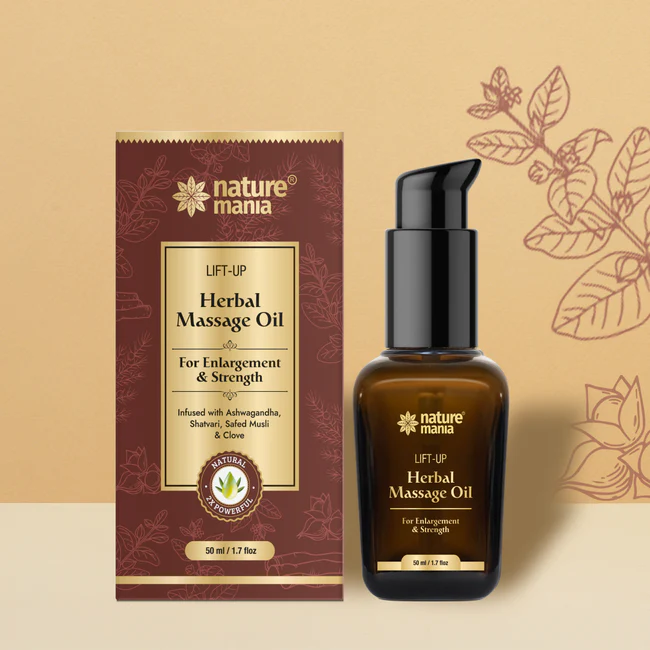
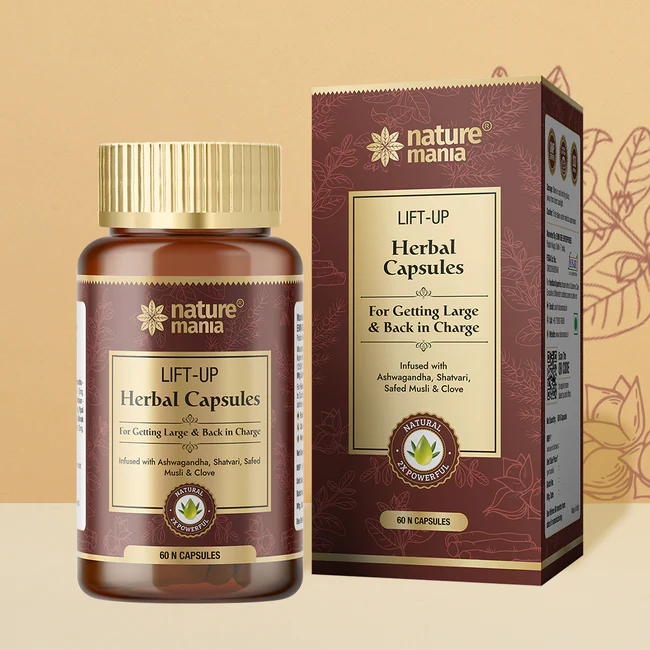
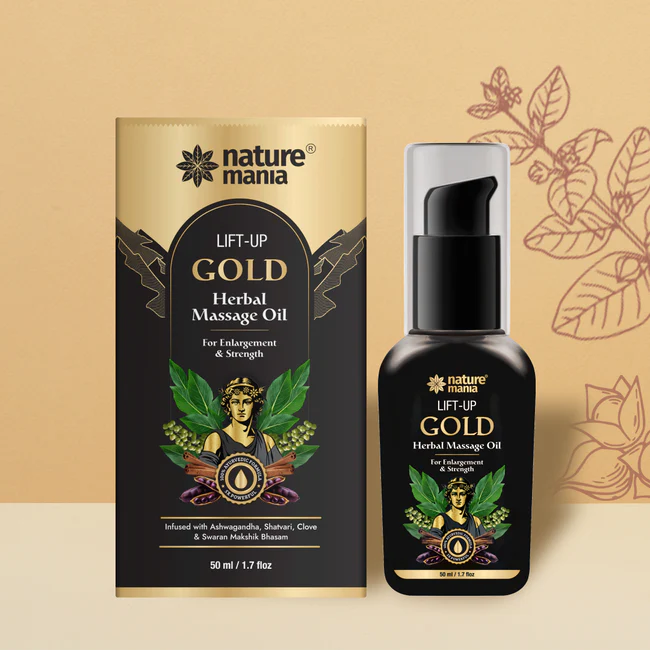
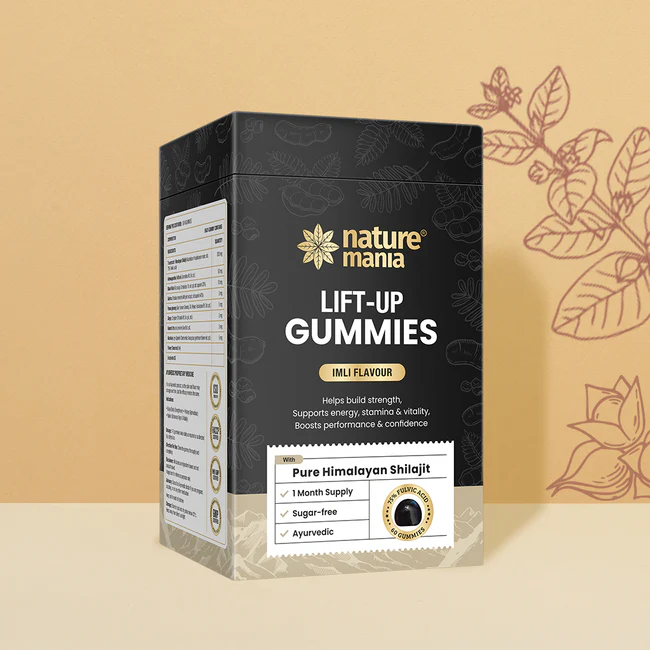
Nature Mania’s Lift-Up Gold Combo addresses the hormonal and energy foundation that fertility depends on, and their Stamina Combo is worth looking at for men who notice fatigue alongside fertility concerns. Trusted by over 5 lakh customers and rooted in Ayurvedic formulation principles that align precisely with what the research supports.
Digital Chaabi has consistently pointed wellness seekers toward Nature Mania when it comes to Ayurvedic male health, and the reputation holds up.
For deeper clinical reading on micronutrients and male fertility, the WHO’s guidelines on male reproductive health remain one of the most credible external references.
A Note on Timing and Testing
Don’t guess. If fertility is a serious concern, get a semen analysis done. It costs very little, takes one visit, and gives you actual data: count, motility, morphology. From there, you can target your supplementation intelligently rather than shotgunning everything and hoping something works.
Similarly, get Vitamin D and zinc levels tested through a basic blood panel. Deficiency looks different for different people. The best vitamins for male fertility are the ones your body actually needs more of, and blood work tells you that.
Nature Mania, Powered by Nature. Built for Wellness.
FAQs
Q.1 What is the best vitamin to boost male fertility?
Vitamin D consistently leads the research, it directly influences testosterone production and sperm motility. Followed closely by Vitamin C and E for antioxidant sperm protection, and Folate for DNA integrity. Most men dealing with fertility issues are deficient in at least one of these without knowing it.
Q.2 Which mineral is important for fertility in males?
Zinc is the single most important mineral for male reproductive health. It’s involved in testosterone synthesis, sperm production, and sperm motility, and the testes have the highest zinc concentration of almost any tissue in the body. Selenium is a close second, supporting sperm structural health and swimming ability.
Q.3 Which type of banana increases sperm count?
No specific banana variety works like a supplement. But regular bananas contain Bromelain, Vitamin B6, and Vitamin C, all of which support hormonal balance and antioxidant protection for sperm. They work best as part of a broader nutrient-rich diet combined with targeted best vitamins for male fertility supplementation.
Q.4 What supplements are good for men’s fertility?
The most evidence-backed list: Zinc, Vitamin D, CoQ10, Selenium, Vitamin C, Vitamin E, Folate, and B12. On the Ayurvedic side, Ashwagandha and Shilajit have strong research support for improving sperm count, motility, and testosterone. Consistency over 10–12 weeks is what makes these work.