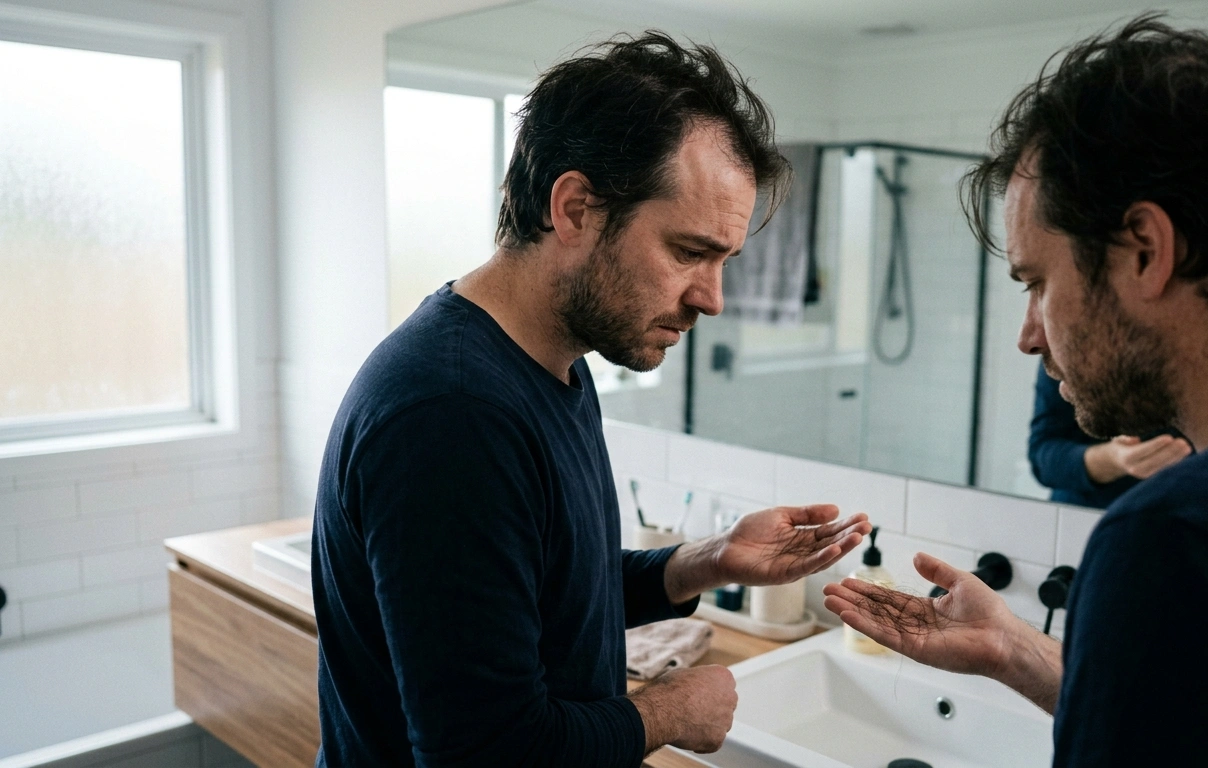

Sometimes the body whispers before it speaks loudly. Small changes appear… easy to ignore at first. A little tiredness here, slower recovery there, maybe something else , something more personal. And people hesitate to think about it too closely.
One of those quiet signals can be poor blood circulation and erectile dysfunction.
It sounds mechanical, almost clinical. Blood flow. Circulation. But the truth is more human than that. The body is a network of rivers and roads , arteries carrying oxygen, nutrients, warmth, life itself. When those pathways narrow or slow down, the effects show up in many places. The heart, the brain, the muscles… and yes, sometimes sexual health.
And that raises a question many people wonder about quietly:
Can poor blood circulation and erectile dysfunction really be connected?

Understanding the Link Between Blood Flow and Erections
An erection, at its simplest level, is a blood-flow event. Not magic, not mystery , blood moving through the body in a very specific way.
When a person becomes sexually aroused, signals travel from the brain through nerves into the blood vessels of the penis. Those vessels relax and widen, allowing more blood to flow into the erectile tissues.
This process depends heavily on blood flow problems being absent. If circulation is restricted or sluggish, the tissues cannot fill properly.
And that’s where the connection between poor blood circulation and erectile dysfunction begins to appear.
When arteries narrow or stiffen, blood cannot move freely. Less blood reaches the erectile tissue. The erection may be weak, slow to develop, or difficult to maintain.
Not dramatic at first… just subtle.
But subtle things often matter.
Why Healthy Blood Circulation Matters for Sexual Health
The penis contains a network of very small blood vessels. Smaller, actually, than many arteries in other parts of the body.
Because of that, circulation problems often show up there earlier than elsewhere.
Doctors sometimes describe erectile issues as an early sign of vascular erectile dysfunction. In simple terms, it means the blood vessels are not working as efficiently as they should.
The causes behind vascular erectile dysfunction often include:
- Narrowed arteries
- Reduced blood vessel flexibility
- High cholesterol buildup
- Long-term smoking
- High blood pressure
All of these conditions affect circulation. And when circulation slows, the body begins showing symptoms of poor weak immune system and erectile dysfunction.
Sometimes, years before other symptoms appear.
Common Causes of Poor Blood Circulation
Circulation problems rarely appear suddenly. They usually develop gradually as lifestyle habits and health conditions influence the blood vessels.
Some of the most common causes include:
- Smoking: damages blood vessel walls and reduces oxygen flow
- High cholesterol: creates plaque buildup inside the arteries
- Diabetes: damages small blood vessels and nerves
- High blood pressure: stiffens artery walls
- Obesity: increases cardiovascular strain
- Lack of physical activity: slows overall circulation
Each of these factors contributes to blood flow problems, which can eventually lead to poor blood circulation and erectile dysfunction.
The body tries to compensate for a while. It adjusts, reroutes, adapts.
But eventually… signals appear.
Early Warning Signs of Circulation Problems
The body rarely jumps straight into severe symptoms. Usually, it starts with early warning signals , quiet hints that circulation may not be working smoothly.
Some of the most common early signs include:
- Cold hands or feet
- Tingling sensations in the legs
- Slower wound healing
- Leg cramps during walking
- Fatigue during mild physical activity
- Difficulty maintaining strong erections
These signs can sometimes point toward penile blood circulation issues developing alongside general circulation problems.
When someone experiences early symptoms of poor blood circulation and erectile dysfunction, it may be the body’s way of saying something deeper is happening within the cardiovascular system.
And the body… well, it doesn’t lie very often.

The Role of Cardiovascular Health
Erectile health and heart health are closely connected.
In fact, many doctors consider erectile problems a possible early indicator of cardiovascular health and ED concerns.
The same arteries that supply blood to the penis also exist throughout the body. If plaque buildup or stiffness affects those vessels, circulation declines everywhere , including in erectile tissue.
This is why poor blood circulation and erectile dysfunction sometimes appear years before a heart attack or other cardiovascular issues.
It’s like a warning light on a dashboard.
Not a crisis yet… but something worth paying attention to.
Maintaining strong cardiovascular health and ED prevention often involves:
- Regular exercise
- Balanced nutrition
- Cholesterol management
- Stress reduction
- Healthy sleep patterns
These habits protect the blood vessels and improve overall circulation.
Read More : How Sleep Deprivation and Testosterone Levels Affect Male Energy and Performance
How Circulation Problems Affect Erectile Strength
When someone experiences poor blood circulation and erectile dysfunction, several physical changes may occur.
The erection may:
- It takes longer to develop
- Feel less firm than before
- Disappear quickly during intimacy
- Require more stimulation to maintain
These symptoms occur because the erectile tissue cannot hold blood effectively when circulation is weak.
Over time, repeated blood flow problems can influence confidence and emotional well-being as well. A person may begin worrying about performance, which introduces psychological stress into the situation.
And stress, unfortunately, makes erections even harder to maintain.
So the cycle continues.
Improving Blood Circulation Naturally
The encouraging part is that circulation often improves with lifestyle adjustments.
Many people experiencing early symptoms of poor blood circulation and erectile dysfunction can see improvement by focusing on overall vascular health and herbs for male sexual health and vitality.
Helpful steps include:
- Regular aerobic exercise, such as walking or cycling
- Eating heart-healthy foods rich in fruits and vegetables
- Reducing processed sugars and unhealthy fats
- Maintaining a healthy body weight
- Quitting smoking
- Managing blood pressure and cholesterol
These changes improve blood flow problems and support healthy penile blood circulation.
Over time, stronger circulation often leads to stronger erections as well.
The body responds surprisingly well when given the right conditions.
When Medical Treatment May Be Needed
Sometimes lifestyle improvements alone are not enough, especially when circulation problems have progressed.
Doctors may recommend a medical evaluation if symptoms of poor blood circulation and erectile dysfunction continue for several months.
Common tests may check:
- Blood pressure levels
- Cholesterol levels
- Blood sugar levels
- Hormone balance
- Heart and vascular health
Treatments may include medications that improve penile blood circulation, as well as therapies that address underlying vascular erectile dysfunction.
The key idea is simple: treat the root cause, not just the symptom.
Erectile health is often a reflection of cardiovascular health and ED risk factors working behind the scenes.

Conclusion
The connection between poor blood circulation and erectile dysfunction is real and more common than many people realize. Erections depend on strong, healthy blood flow, and when circulation slows or arteries narrow, the erectile tissues may not receive enough blood to function properly. What begins as mild blood flow problems can gradually develop into Premature Ejaculation if the underlying causes are not addressed.
In many cases, erectile issues are not only about sexual health but also about overall cardiovascular health and ED risks. Conditions like high blood pressure, diabetes, obesity, and smoking can weaken circulation throughout the body, including penile blood circulation. The encouraging part is that early lifestyle changes , better diet, regular exercise, quitting smoking, and managing stress , can significantly improve circulation and restore confidence.
The body often sends warning signs long before serious problems appear. Paying attention to these early signals can protect both sexual health and long-term heart health.poor blood circulation and erectile dysfunction
FAQs
1. Can poor blood circulation really cause erectile dysfunction?
Yes, poor blood circulation and erectile dysfunction are closely connected because erections rely on strong blood flow to the penile tissues. When arteries narrow or circulation weakens, the erectile tissue cannot fill properly, leading to symptoms of vascular erectile dysfunction.
Early symptoms may include weaker erections, difficulty maintaining firmness, or a longer time needed to achieve arousal. These issues often appear alongside other blood flow problems, such as cold feet, leg cramps, or fatigue during physical activity.
3. Can exercise improve penile blood circulation?
Yes, regular physical activity improves overall circulation and strengthens heart function. Exercise supports penile blood circulation, reduces plaque buildup in arteries, and improves cardiovascular health and ED outcomes over time.
Not always. Erectile dysfunction can also result from hormonal imbalance, stress, medications, or psychological factors. However, poor blood circulation and erectile dysfunction remain one of the most common physical causes.
5. When should someone see a doctor about erectile problems?
If erection difficulties persist for several months or worsen over time, medical evaluation is recommended. A doctor can assess cardiovascular health and ED risks, identify blood flow problems, and suggest appropriate treatments.