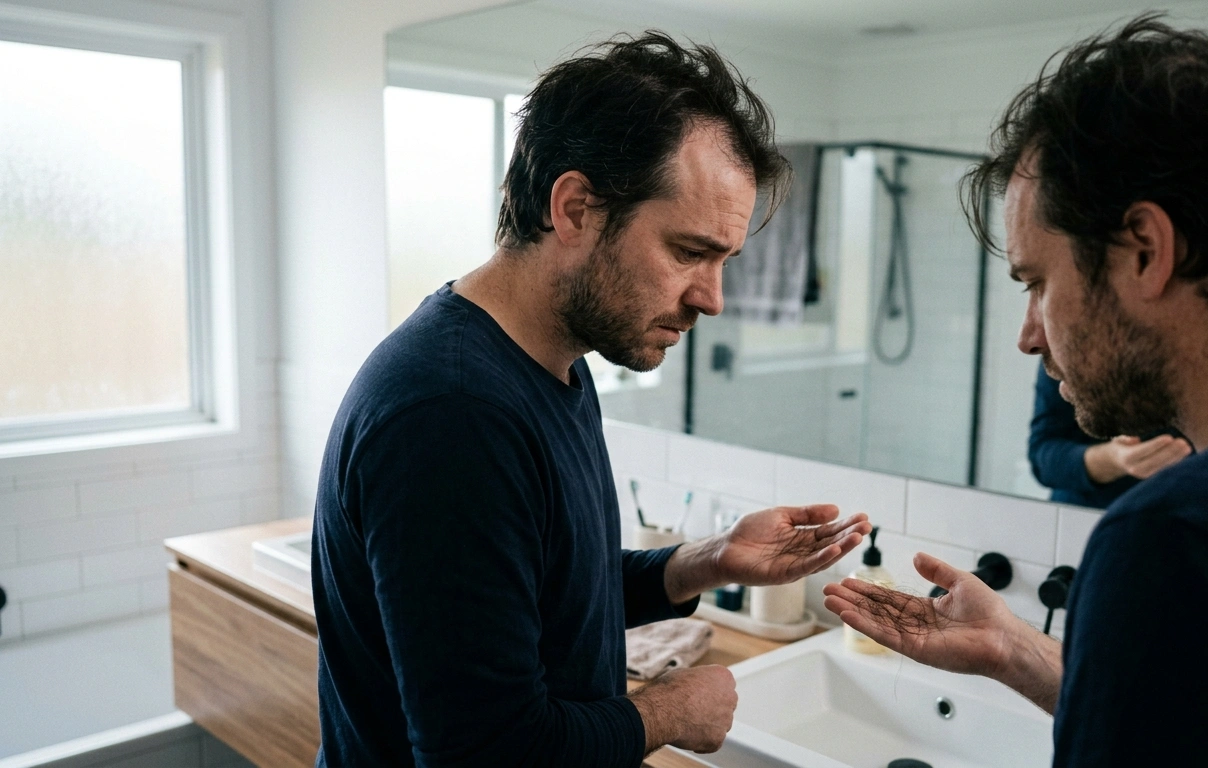
Sleep is among the most vital aspects of a healthy lifestyle. But a lot of men do not think about it. Working late into the night, mobil e screens, stress, and irregular schedules have made sleep issues extremely widespread. What people don’t know is that the lack of sleep has a profound impact on hormones, specifically testosterone.
In this article, we’ll know how sleep deprivation and testosterone are related and how they affect the performance of males. Everything is explained in simple language, so that anyone can comprehend it.
If you’re feeling depleted, weaker, and experiencing libido loss or mood fluctuations, the way you sleep could be the cause.

What Is Testosterone and Why Is It Important?
Testosterone is the primary male sexual hormone. It is a major factor in:
- Muscle growth
- Bone power
- Sexual desire
- Production of Sperm
- Stability in mood
- Energy levels
The main cause of today’s hormonal imbalance is sleep deprivation and testosterone decline.
How Testosterone Is Produced During Sleep
A lot of people are unaware that the testosterone production process is most likely to occur in the sleep phase.
The body has its own natural clock, known as the “circadian” rhythm. Testosterone levels:
- Rise during deep sleep
- Peak at the beginning of the morning
- The temperature drops slowly throughout the day.
If sleep is disrupted or reduced, the body can’t finish this cycle of hormones properly. This directly relates to sleep deprivation and testosterone levels.
If you don’t get enough sleep, testosterone production naturally decreases.
What Is Sleep Deprivation?
Sleep deprivation is the result of not getting sufficient quality sleep.
It could comprise:
- Not sleeping for less than 6 hrs per day regularly
- Awaking frequently in the late at night
- Poor sleep quality
- Insomnia
- Late-night screen exposure
When sleep-related issues last for a period of time and then become chronic, the issue becomes chronic. This is the time when the lack of sleep, as well as testosterone imbalance, becomes serious.
Scientific Link Between Sleep and Testosterone Levels
Studies have shown that males who only sleep for 4 to 5 hours a night may see a significant decrease in testosterone after a single week.
Sleep deprivation can affect the pituitary gland and hypothalamus. These brain regions regulate the production of hormones.
As sleep levels decrease:
- Hormone signals weaken
- Testosterone production slows
- Cortisol levels rise
This hormonal disturbance can be explained by the strong correlation between sleep deprivation and testosterone.
Effects of Low Testosterone Due to Poor Sleep
If testosterone levels drop due to lack of sleep, various symptoms can be seen.
Physical Effects
- Reduction in muscle mass
- Body fat is increased
- A low stamina
- Reduction in strength
- Weak immune function
Sexual Health Effects
- Low Libido
- Erectile difficulties
- Poor sexual performance
- Lower sperm quality
These issues illustrate how sleep deprivation and testosterone imbalance could influence male performance in general.
Impact on Male Sexual Performance
Testosterone has a direct connection to sexual health of sexuality.
If levels drop due to sleep deprivation:
- Sexual desire decreases
- The morning erections decrease
- Confidence drops
- The anxiety about performance increases
Many blame stress or age. However, the root of the problem could be sleep issues.
The link between sleep deprivation and testosterone is frequently ignored in discussions about sexual health.
Read more : Symptoms of Low Testosterone: Does It Always Mean Low Energy?
Sleep, Cortisol, and Hormonal Balance
Sleep deprivation does not just lower testosterone. It also increases cortisol, which is the stress hormone.
High cortisol levels:
- Blocks testosterone production
- Fat storage is increased
- The cause of mood swings
- Lowers motivation
As cortisol increases and testosterone levels decrease, male performance suffers.
A hormonal clash strengthens the relationship between sleep deprivation and testosterone decline.

Mental Health and Performance
Testosterone can affect mental and mood.
Sleep deprivation can cause low levels of sleep, which can result in:
- Irritability
- Depression
- Brain fog
- Inattention and lack of focus
- Low confidence
Mental health plays an important part in physical and sexual performance.
That’s why sleep deprivation and testosterone imbalances can harm both mind and body.
Sleep Stages and Hormone Production
All sleep isn’t the same.
There are various stages of sleep:
- Sleeping in light
- Sleep deep
- Sleeping through the night
Testosterone is produced primarily in deep sleep.
If you can sleep for long hours, but you don’t get to deep sleep, your hormone production could still be affected.
Sleep quality issues make the connection between the hormone sleep deprivation and testosterone even more significant.
How Much Sleep Is Needed for Healthy Testosterone?
The majority of experts advise:
- Seven to nine hours of rest per night for adults
A sleep schedule that is less than 6 hours often can drastically lower testosterone levels.
Small changes to sleep patterns can aid in restoring hormonal balance.
These are simple steps that can make a difference to sleep deprivation and testosterone issues.
Long-Term Risks of Chronic Sleep Loss
If sleep problems persist for many years, it could raise the chance of
- Obesity
- Type 2 diabetes
- Heart disease
- Depression
- Infertility
The health problems that are reported are typically caused by low testosterone levels.
The chronic imbalance of sleep deprivation and testosterone can gradually harm the overall health of males.
Signs That Sleep Is Affecting Your Testosterone
If you are experiencing these symptoms, along with insomnia, this could be due to hormones:
- Constant fatigue
- Low Sex Drive
- The mood changes
- Muscle weakness
- A rise in belly fat
- Trouble concentrating
These symptoms suggest possible problems in the relationship between sleep deprivation and testosterone levels.
Can Testosterone levels be restored with better Sleep?
Yes, in many instances, Food to Increase testosterone levels rise as sleep quality improves.
The body has a powerful capacity to heal.
If you
- Sleep 7-8 hours daily
- Make sure you are on a regular sleep schedule
- Reduce the time you spend on screens at night.
- Manage stress
The production of hormones can be restored to normal.
Improved sleep is among the easiest solutions for insomnia, as well as a testosterone imbalance.
Practical Tips to Improve Sleep Naturally
We explore the fascinating world of the mind, breaking down psychology concepts into simple terms. There are a few easy methods to help you sleep better:
- Sleep and get up at the same time every day
- Do not use mobile phones for 1 hour before bed
- Make sure your bedroom is cool and dark
- Avoid heavy dinners at night.
- Be active, but do not exercise until it is too late
- Reduce caffeine intake
Include healthy foods to increase testosterone levels such as nuts, eggs, leafy vegetables, and healthy fats in your daily diet.
These simple habits can enhance the quality of your sleep and help maintain healthy sleep deprivation as well as the testosterone balance.
When to See a Doctor
If you can sleep better, but you experience symptoms that persist, see your doctor.
They could examine:
- Testosterone levels
- Thyroid function
- Blood sugar
- Stress levels
The advice of a doctor is crucial when physical or sexual performance is declining.
Early detection helps to deal with testosterone and sleep problems effectively.

Conclusion: Sleep deprivation and testosterone
Sleep is not just about rest, but it’s a potent instrument for balancing hormones and general male performance. Testosterone production is most likely to occur in deep sleep, meaning that sleeping insufficiently can affect the levels of testosterone. The strong link between sleeping less and testosterone is the reason why they suffer from low energy, lower libido, and weaker performance in physical activities when they aren’t sleeping enough. The loss of sleep over the course of time increases cortisol levels, which in turn lowers testosterone levels.The good news is that enhancing the quality of sleep can restore the balance of hormones in many cases. Getting 7 to 9 hours of restful sleep every night, following a proper routine, and reducing stress can help men maintain better hormonal health and improve overall performance. In fact, improving sleep habits is considered one of the natural way to increase testosterone levels in the body. When the body gets enough deep sleep, hormone production becomes more balanced and efficient. Sleeping isn’t something that should be taken lightly; it is essential for long-term health, vitality, and male performance.
FAQs
1. Does a night of bad quality sleep affect the levels of testosterone?
A night of sleep deprivation might not cause significant damage. However, repeated nights of sleep deprivation will lower testosterone levels significantly. The relationship between sleep deprivation and testosterone increases when the loss of sleep is constant over time.
2. How fast can testosterone increase following a better night’s rest?
Testosterone levels may begin to improve within a couple of days or weeks of regular high-quality sleep. The restoration of proper sleep aids in repairing the imbalance that exists between sleep deprivation and testosterone naturally.
3. Do you think that sleeping too much can increase testosterone levels?
The fact that you sleep too much doesn’t instantly boost testosterone. The most important factor is the quality of sleep, especially in deep sleep. A balanced sleep pattern helps to maintain good sleep deprivation and testosterone levels.
4. Can sleep apnea affect testosterone?
Sleep apnea is a real issue. It reduces the quality of sleep as well as oxygen levels, which reduces testosterone production. It significantly affects the equilibrium between testosterone production and sleep and could require medical intervention.
5. Is low testosterone resulting from sleep deprivation a permanent issue?
In the majority of cases, it’s not long-lasting. If sleep quality improves and lifestyle adjustments occur, hormonal levels can improve. Controlling the deficiency of sleep as well as testosterone early can prevent long-term problems.