In our modern, hectic, and fast-paced lives, stress has become a normal part of life. Many people deal with stress from work, as well as financial worries, relationship problems, and health issues every day. However, few people are aware of the extent to which stress can impact the body.
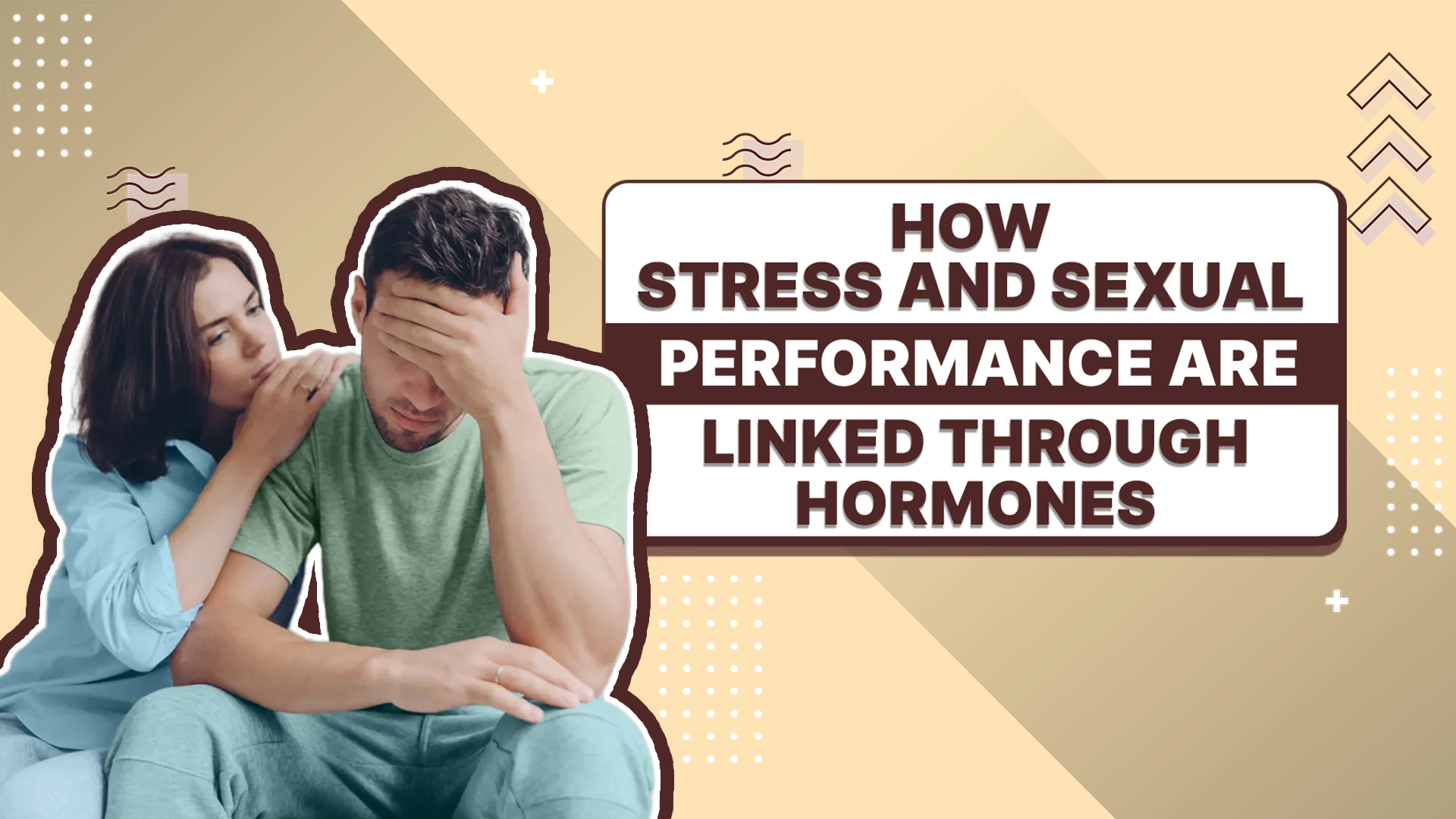
A crucial, but not often discussed issue, is the relationship between stress and sexual performance. A lot of women and men are experiencing changes in their sexual lives without realizing that stress hormones could be the reason.
In this article, you will be able to understand simply how cortisol and stress levels affect sexual health, how they affect the body, and what you can do to enhance your sexual health by taking a natural approach.

Understanding Stress: What Happens Inside the Body?
Stress is the body’s normal response to pressure or danger. When you’re stressed, the body produces hormones. One of the most prominent that is released is cortisol, commonly referred to as the stress and sexual performance hormone.
Cortisol helps your body:
- Stay alert
- React quickly
- Manage emergencies
- Control inflammation
This response is beneficial in the short term. However, when stress is constant, the cortisol levels remain high for a long period of time. This is referred to as persistent stress.
This is where the problems get complicated.
The Role of Cortisol in the Body
Cortisol is produced by the adrenal glands. It plays a significant role in the regulation of:
- Blood pressure
- Blood sugar levels
- Metabolism
- Immune system
But if cortisol levels remain in excess for a prolonged period, it can cause disruption to other hormones within the body.
One of the areas most affected is sexual performance and stress.
How Stress and Sexual Performance Are Connected
Sexual performance is influenced by the balance of hormones, mental relaxation, blood flow, and emotional connections.
As stress levels increase:
- Cortisol is up
- Testosterone decreases
- Blood flow is restricted
- Mental focus reduces
The Hormonal Link Between Cortisol and Testosterone
Testosterone is the primary hormone responsible for libido, the desire to be sexual, as well as performance among males. Women also require small amounts of it to maintain sexual health.
Cortisol levels are high when they remain high:
- The body’s testosterone production is reduced.
- Energy levels drop
- Libido decreases
- The erectile function could be weakening
The imbalance in hormones directly affects the stress level as well as sexual function.
If stress is persistent for long periods, it can lead to more grave consequences.
How Chronic Stress Affects Sexual Desire
A common thing people can detect is a decrease in the desire for sexual pleasure.
In constant stress, the body is focused on survival, not enjoyment. It diverts the focus away from reproductive functions.
You may notice:
- Low Libido
- A lack of interest in intimate relationships
- Distance from emotion
- stress and sexual performance
- A feeling of difficulty in the area
These are obvious signs of how the two are inextricably linked.
Stress and Erectile Dysfunction
For men, stress may be a factor in Erectile dysfunction.
Erection is a result of the health of blood flow and the relaxation of nerves. Stress makes the body remain in “fight or flight” mode, which increases blood vessel tightness.
This can cause:
- The difficulty in getting an Erection
- Trouble maintaining an erection
- Anxiety about performance
- Lower confidence
In many instances, stress and sexual performance issues are more psychological than physical.
Mental Stress and Performance Anxiety
Sometimes, the issue isn’t psychological, but hormonal.
If someone is worried too much about how they perform and stress, they will create more stress. This can lead to a cycle of
- Stress
- Poor performance
- Fear of failing
- More stress
This cycle causes stress and sexual performance as time passes.
To break this pattern, you must relax and build confidence.
Impact of Stress on Women’s Sexual Health
Women are also stressed.
The hormone cortisol is responsible for:
- Vaginal lubrication is reduced.
- Sexual desire is low
- The difficulty in achieving orgasm
- Disconnection from emotions
Hormonal imbalance can affect the levels of progesterone and estrogen.
Also, anxiety and a lack of sexual function aren’t just problems for males. Women also suffer hormonal changes as a result of stress over time.

Physical Effects of High Cortisol on Sexual Health
Cortisol levels that are high for a long time can lead to:
- Fatigue
- Weight loss
- Poor sleep
- Changes in mood
- Irritability
All of these affect the health of sexual partners.
If you’re constantly exhausted and emotionally exhausted, the body may not be able to focus on intimacy.
This shows how strongly the effects of stress and sexual performance on health are connected.
Reads More : What Are the Common Sexual Performance Challenges in Men and How Can it Be Managed Naturally?
Other Hormones Affected by Stress
Stress is not just a factor that affects testosterone levels.
It may also cause disturbance:
- Dopamine (pleasure hormone)
- Serotonin (mood hormone)
- Oxytocin (bonding hormone)
If the hormones are not functioning properly, intimacy is less pleasurable.
This reduces sexual attraction and can cause sexual performance issues and stress.
Signs That Stress Is Affecting Your Sexual Life
If you experience these symptoms, stress might be the cause.
- Low Libido
- Issues with erectile function
- Early Ejaculation
- Orgasms are delayed for a while
- Distance from emotion
- Feeling isolated from your partner
When issues arise in stressful times, this strongly suggests an association with anxiety and sexual function.
How to Reduce Stress and Improve Sexual Performance
The positive side is that sexual issues triggered by stress can improve.
Among the strategies for unlocking the secrets of human behavior are some easy and efficient strategies:
- You can get 7-8 hours of high-quality sleep
- Exercise regularly
- Try deep breathing or meditation
- Take balanced meals
- Reducing alcohol and smoking
- Be open with your partner.
These actions help lower cortisol levels and boost hormonal balance.
The Importance of Emotional Connection
Sexual performance is not just physical.
Connection and emotional safety are equally vital.
Engaging with your partner in a conversation helps reduce stress. It increases trust and decreases performance anxiety.
Relaxed minds promote better intimacy as well as reduce stress and sexual performance
When Should You See a Doctor?
If you experience sexual issues that persist for a long time, it is crucial to speak with a physician.
They can check:
- Hormone levels
- stress and sexual performance
- Blood pressure
- Blood sugar
- Mental health issues
Sometimes therapy or medication might be necessary.
Inattention to long-term issues can lead to stress levels and sexual issues.
Can Cortisol Levels Be Tested?
Yes, cortisol levels are measured through saliva, blood, or urine tests.
If you suspect a hormonal imbalance, a medical test will confirm the issue.
A proper diagnosis can help identify the root cause of anxiety and other sexual issues.
Is It Temporary or Permanent?
Most often, the sexual issues caused by stress are not permanent.
As stress decreases, the levels of cortisol naturally balance.
Changes in lifestyle, as well as relaxation and emotional support, can significantly improve stress and sexual performance.
Permanent damage is not common unless medical conditions are present.

Conclusion
Stress has a significant influence on the body. High cortisol levels can have a significant impact on sexual health. If stress is persistent, it lowers testosterone levels, alters blood flow, alters mood hormones, and decreases libido. This hormonal link is hidden and is the reason why a lot of people have sexual issues during stressful times.The relationship between stress and sexual performance is real, but it’s not always irreversible. Reducing stress through exercise, proper sleep, open communication, and relaxation techniques can naturally improve hormonal balance. Support your wellness routine with Nature Mania Boost-Up Combo for better vitality and energy.stress and sexual performance Understanding the relationship between hormones can help eliminate fear and provide practical solutions. Making small changes to manage stress can make a huge difference in your personal and emotional life.
FAQs
1. Does stress result in sexual dysfunction?
Stress alone may lower libido levels and trigger Erectile problems even without physical health issues. The hormone cortisol can interfere with blood flow and testosterone, directly affecting the stress and sexual performance in the long run.
2. How long will stress take to impact sexual health?
Stress from short-term duration can trigger minor issues, and chronic or long-term stress can impact hormones in just weeks or even months. A constant imbalance may gradually diminish the effect of stress on sexual performance.
3. Does lowering cortisol improve sexual performance?
Indeed, decreasing cortisol levels through exercise, sleep, and relaxation can bring back the balance of hormones. As cortisol drops, testosterone increases, which in turn helps stress and sexual performance
4. Can anxiety cause erectile dysfunction?
Yes, anxiety can increase stress hormones, and it also tightens blood vessels. This can hinder the proper circulation of blood, which can cause issues with sexual performance due to anxiety and stress.
The use of medication is not always required. A lot of cases improve through modifications to lifestyle and therapy. However, if the symptoms continue, the doctor can direct the right treatment to improve sstress and sexual performance results.